
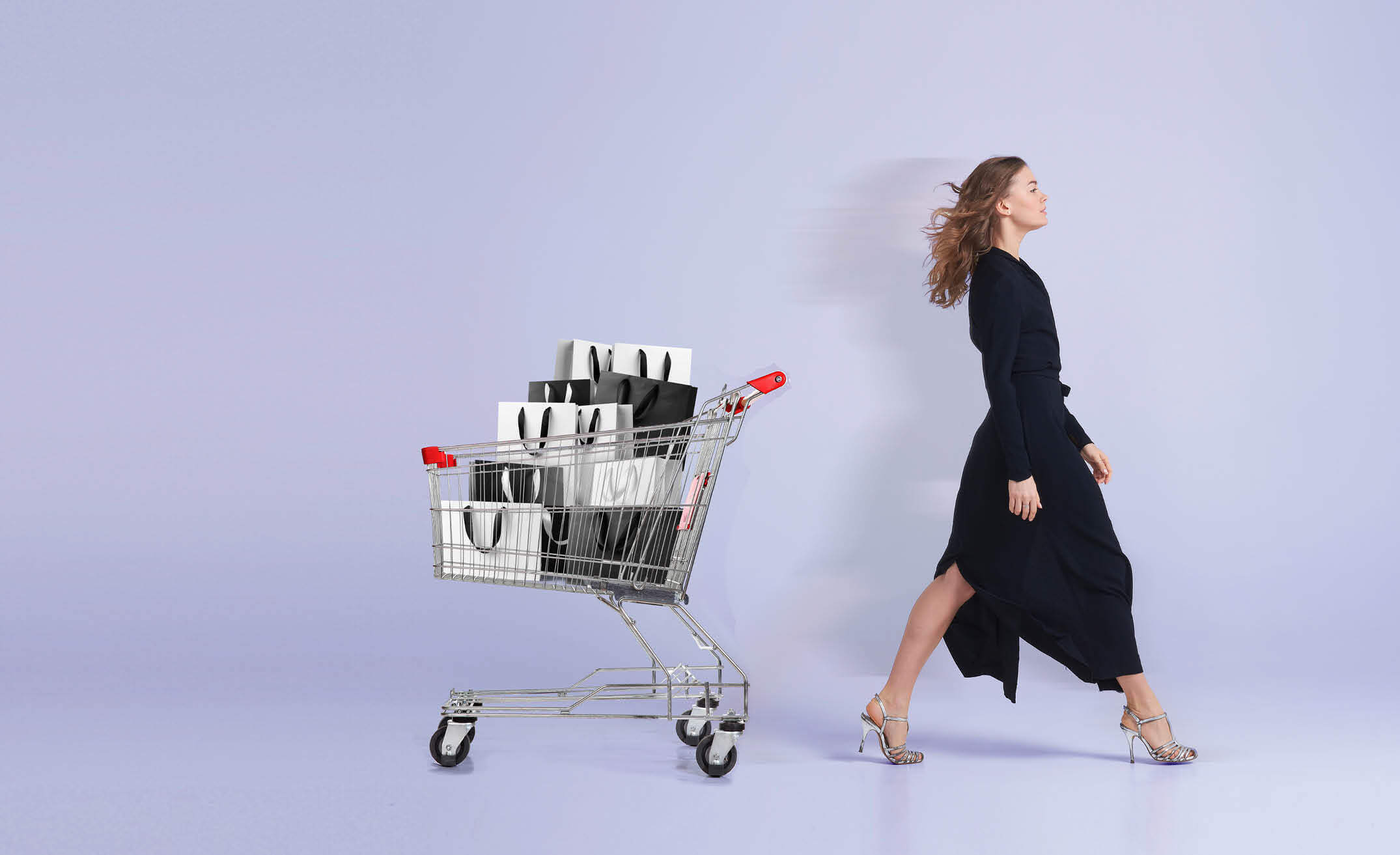
The most expensive reflex in e-commerce is the panic-discount. A user abandons their cart, and within fifteen minutes, the brand automatically fires off an email screaming, "COME BACK! HERE IS 20% OFF!" It feels like a quick win, but all you are doing is destroying your profit margins and training your customers to never, ever pay full price.
If a customer knows they can get 20% off simply by closing their browser tab and waiting an hour, they will do it every single time. You must protect your margins.
Why People Actually Abandon Carts
Founders assume abandoned carts are always a pricing objection. They aren't. Often, it is simply a distraction—their toddler started crying, their boss walked by, or their Uber arrived. Other times, it is "shipping shock" (unexpected fees at checkout) or a lack of brand trust.
The Margin-Preserving Rule
Here is the exact 3-part sequence that consistently recovers 10-15% of lost carts without instantly gutting your topline revenue.
Email 1: The Customer Service Check-In
Timing: 1 to 2 hours after abandonment.
Do not use a highly designed HTML template for this. Send a plain-text email that looks like it came directly from a founder or a customer support representative. Do not include massive pictures of the product. Just include a simple text link back to their saved cart.
"Hey [Name], I'm the founder of [Brand]. I noticed you left a few items in your cart today. Did you experience any technical issues with the checkout process, or do you have any questions about the product? Just reply directly to this email—I'm here to help."
— The 'Human' Email 1 Template
This builds immense trust. If they were just distracted, this polite nudge is usually all it takes to bring them back. If they have a genuine question, they will reply, and your team can close the sale manually.
Email 2: Social Proof & Urgency
Timing: 24 hours after abandonment.
Now you bring in the design. Show beautiful, high-resolution dynamic images of the exact products they left behind. But pair those images with overwhelming social proof.
- Feature a powerful customer testimonial: Let your existing buyers do the selling for you.
- Address common objections explicitly: "Not sure about your size? We offer free 30-day returns and exchanges."
- Add a soft element of urgency: "Inventory on these items is moving fast, and we cannot guarantee we can hold your cart for much longer."
Email 3: The Perceived-Value Offer
Timing: 48 hours after abandonment.
If they still haven't purchased after two days, you can finally offer an incentive. But instead of a flat 20% discount that actively shrinks your average order value (AOV), use offers that have high perceived value to the customer, but low actual cost (COGS) to you.
- Free Shipping: Customers despise paying for shipping. Waiving a $5 shipping fee often converts better than a $10 flat discount.
- Free Gift with Purchase: Offer a small accessory. A branded tote bag or a sample-sized product might cost you $2 to manufacture, but feels like a $15 value to the customer.
Hold the line on your pricing. Solve the customer's hesitation with humanity and proof first, and save the discounts for the absolute end of the funnel.